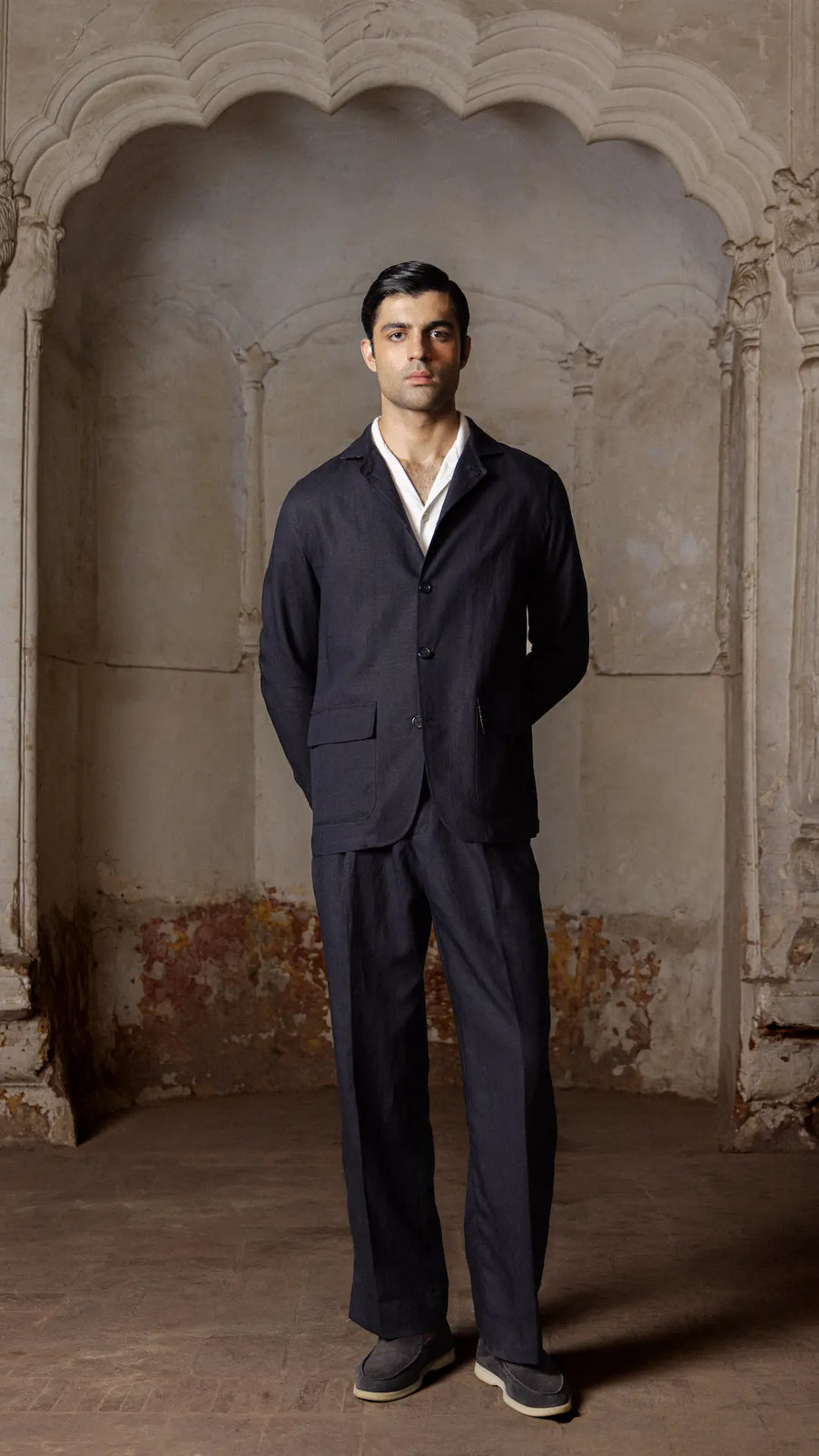
Seven months.
That’s the gap. December 29th to today. I closed that last letter — the year-end one, about my Nani’s knitting and the vest I’d be devastated to lose — with five words: coming very, very soon, inshallah.
Then nothing. No letter. No drop. No explanation.
I want to deal with that before anything else, because I’ve now written three letters in a row about stopping, and I know exactly how the fourth one looks if I’m not careful. There’s a version of a founder who mistakes reflecting for working. Who keeps announcing the return instead of returning. Who has a beautiful relationship with his own process and no product. I’ve been uncomfortably close to that guy, and I’m not writing that letter today.
But I do owe you the seven months. So let me tell you where they went.
The drive
There’s a road that runs along the canal in Lahore. My family’s house sits near one end of it. The factory sits well past the other, out where the city grows into a dense concentration of sounds, colors, motifs, and everyday Pakistani life.
I made that drive more times this year than I can count.
And for most of them, I came home with nothing.
That’s the part that never makes it into a planned post. You leave in the morning with a folder and a list of questions. You spend the day standing over a table while someone explains, patiently, why the thing you drew cannot be made the way you drew it. You adjust. You negotiate. You wait on a fabric that’s coming Thursday, then Sunday, then next week, then inshallah. And then you get back in the car and drive the canal home in the dark with the same folder on the passenger seat, one more week gone, and nothing in your hands to show anybody.
Do that ten times, fifteen, twenty, and you start having a very particular conversation with yourself around the halfway point of the drive home. Is this real? Am I building something, or am I just a guy who keeps going to a factory?
And then one drive, there’s something on the back seat.
Not finished. Not right — usually wrong in three places you’ll spend the next month arguing about. But real. Cut, stitched, existing in a way it didn’t exist that morning. And the whole ledger reprices itself. Twenty empty drives stop being twenty failures and turn into what they actually were: the cost of the one drive that wasn’t.
That’s the most honest account I can give you of the last seven months. There was no moment. No breakthrough I could have posted. There was a road, a lot of drives that produced nothing, and eventually drives that produced something.
Silence is what building sounds like when you stop narrating it.
What was actually wrong
I’ve told you before that I lost the vision. That’s true, but it’s soft — it’s the sentence you write when you don’t want to name the specific decisions. So here are three.
I built a store when I should have been building a house. A storefront with a lookbook attached. And once you’ve built a store, every decision downstream becomes a merchandising decision — what sells, what photographs well, what moves this month. The culture becomes the marketing wrapped around the product, instead of the product being one thing the culture produces. That’s backwards, and it’s the reason three drops came and went without ever solving the problem I started this brand to solve.
I ran a content calendar designed for an algorithm I don’t respect. Posting to prove momentum. Volume as evidence of seriousness. I spent two years performing the act of building for an audience that could tell the difference, and I want to say plainly: I could tell too. I just thought that was the price of entry.
I designed around convenience and called it a constraint. I’ve told you about the cropped suede jacket — the one I drew with hand-beading across it and made without, because I had three weeks and no factory that could do it inside my timeline. I made the call that got the jacket made. Fine. But I kept making that call. Over and over, in smaller ways, until “what can we do quickly” had quietly replaced “what is this supposed to be.” Nobody catches you doing that. You just look up one day and the work has drifted somewhere you never agreed to go.
None of these are dramatic. That’s the point. Nothing collapsed. It eroded.
What got rebuilt
Four things. None of them are a product announcement.
A house, not a store. Osami is a cultural fashion house, and I mean that structurally, not as a line in a bio. The writing isn’t marketing for the clothes. The clothes are one of the things the house makes. Practically, that means the journal sits alongside the shop rather than buried in a footer, and between releases this is a place to read rather than a place to buy. If the only reason to come here is that something’s for sale, I’ve built the store again.
A pace I can actually hold. Fifty units a style. Weeks of context before anything is available. I used to think the education window was a marketing warm-up — the runway before the real thing. It isn’t. It’s a filter. If a piece can’t survive being explained slowly, in public, before anyone can buy it, then it probably wasn’t worth making. Scarcity here isn’t a tactic. It’s just what happens when you refuse to make more than you can stand behind.
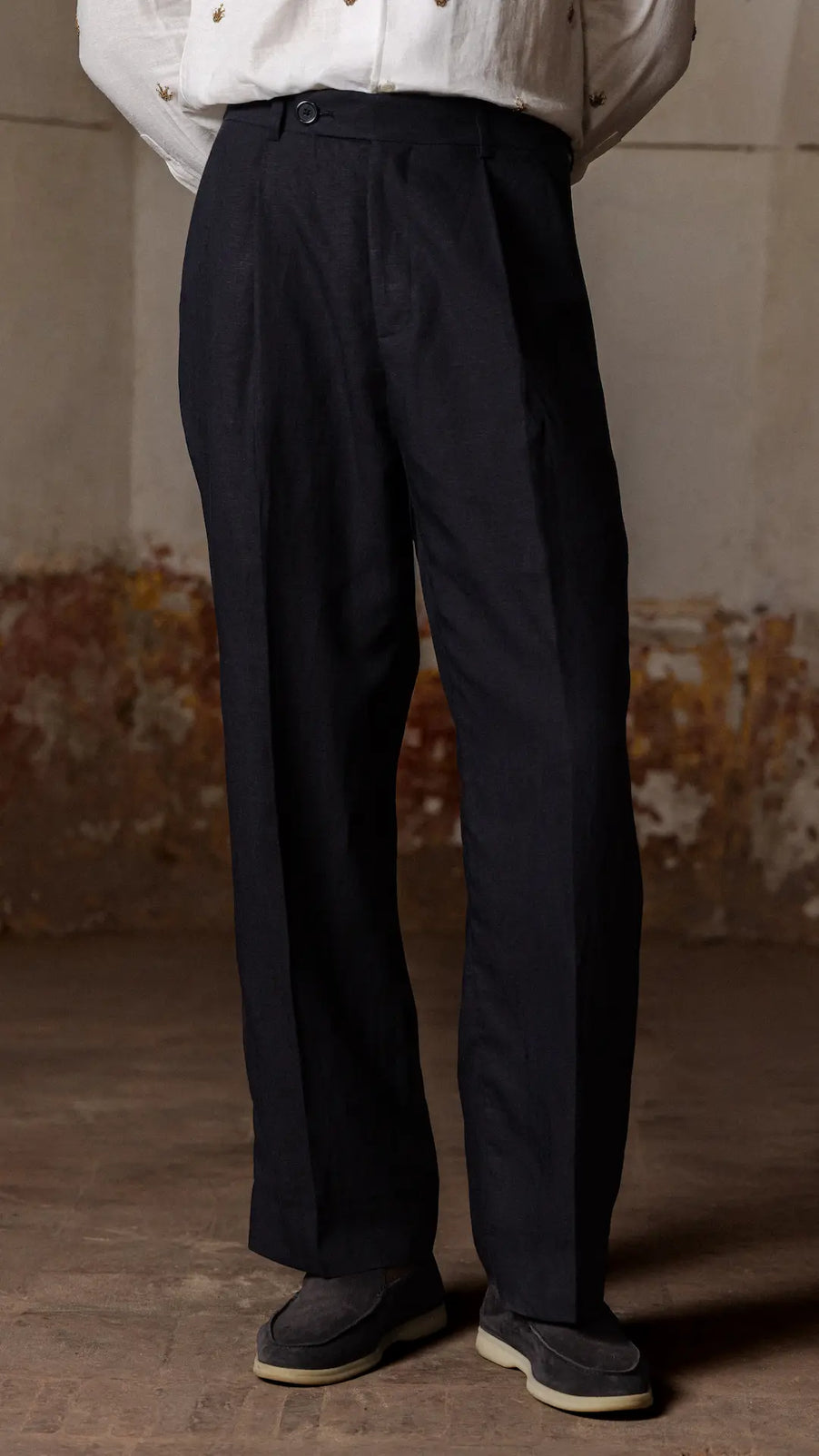
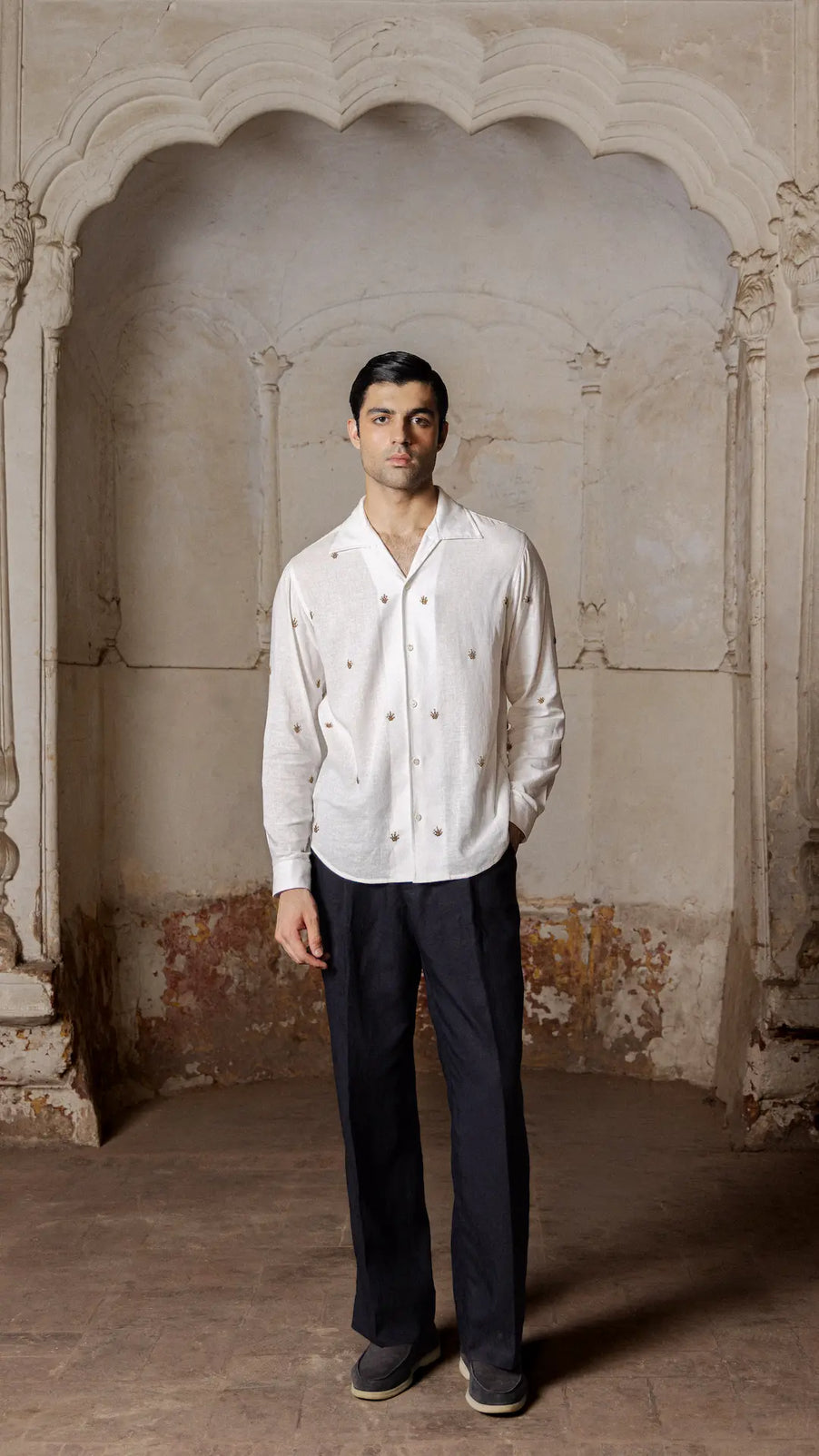
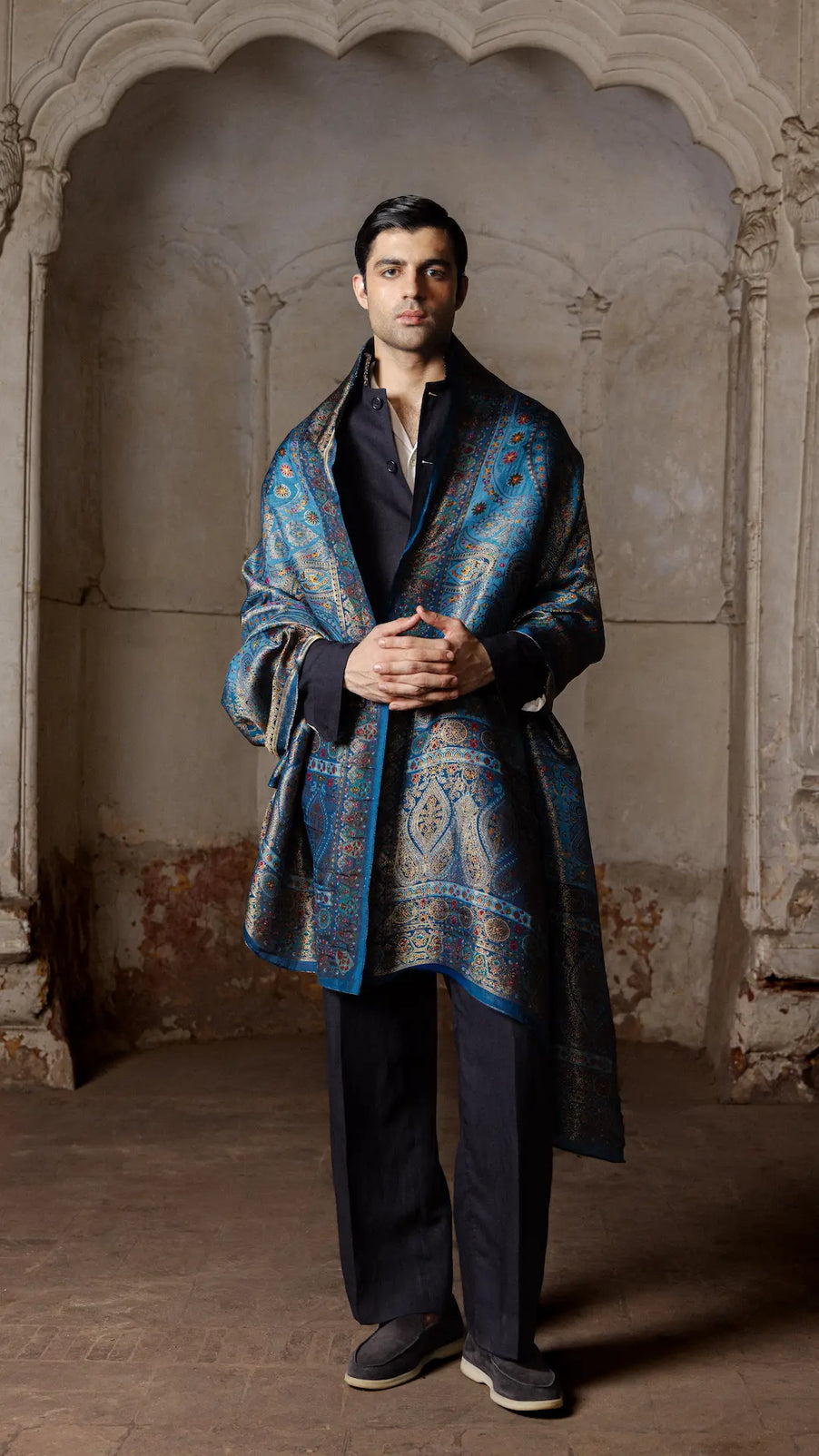
Craft that’s placed rather than displayed. This is the one that took longest to articulate. South Asian craft, done properly, is not a print across your chest. It’s under a collar. Inside a cuff. In the lining of a pocket where only you know it’s there. Heritage you find rather than heritage that announces itself at you. There’s a version of this brand that puts the culture on the outside and sells quickly, and I understand exactly why it’s tempting. But the men I’m making for don’t need to be told what they are. Nobody who actually carries a culture wears it as a costume.
Alignment between what I say, what I make, and how I live. I wrote in November that this was the whole point of the rebrand, and it’s the one I’ve had to keep re-earning. It’s an easy sentence and a hard practice. It means the letter and the garment and the calendar all have to answer to the same standard — and when one of them slips, you stop and fix it rather than shipping and hoping nobody reads too closely.
The name
Something I don’t think I’ve ever said outright here.
Osami was my mother’s nickname for me. Not a family name, not a word with a history — just the thing she called me, in a voice only she uses. I built a brand on it before I really understood why.
I think I understand now. Everything I’ve spent seven months rebuilding has been an attempt to get back to a room I was already in. My Nani’s house in Shadman with the knitting in her lap. My mother’s kitchen. Rooms where nobody was performing anything, where the culture wasn’t a position you took or a thing you defended — it was just the air. You didn’t wear it. You were in it.
That’s the feeling I’ve been trying to get into clothing this whole time, and I kept missing it because I was busy proving something. You can’t prove your way back to a room like that. You can only quiet down enough to notice you never left.
I’ve started recording some of these conversations. Sitting with the people who built the rooms. My mother first — obviously, my mother first.
What’s next
I’m not going to oversell what’s coming, partly because I’ve done that before and partly because you’ll see it soon enough.
But I’ll tell you the idea I couldn’t put down.
Somewhere on one of those drives I got fixated on leisure. On who, historically, has been allowed to be at rest — and more specifically, who has been photographed at rest. Think about the entire visual canon of resort dressing. The linen, the light, the long lunch, the man doing absolutely nothing beautifully. Now count how many of those men look like us.
We built the things. Our factories, our hands, our references, our fabrics. We’re all through that industry — just never in the frame. Present in the production, absent from the leisure. Our grandparents crossed a border with what they could carry and worked so their children wouldn’t have to, and somehow the picture of rest at the end of that story was never made with us in it.
That’s the idea. That’s what the next stretch of writing is about, and what everything else follows from.
If you’ve been here since October, or since the fruit market, or if you only just showed up: shukriya for still being in the room. Seven months of silence is a lot to ask of anyone, and I don’t take the ones who stayed for granted.
If you want to be close to this as it comes, our substack is where that happens.
Otherwise — go enjoy your chai.
— Osama