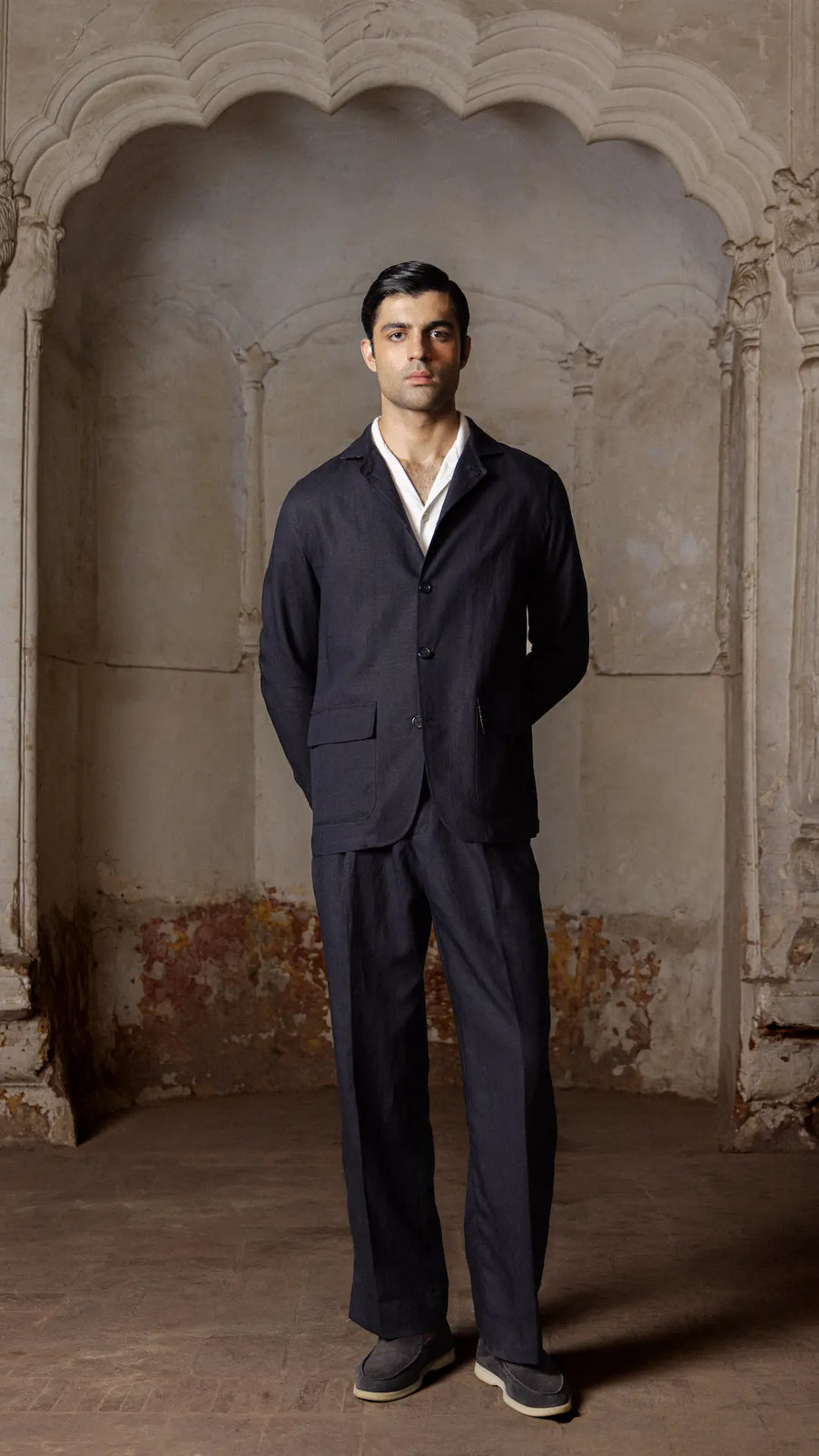
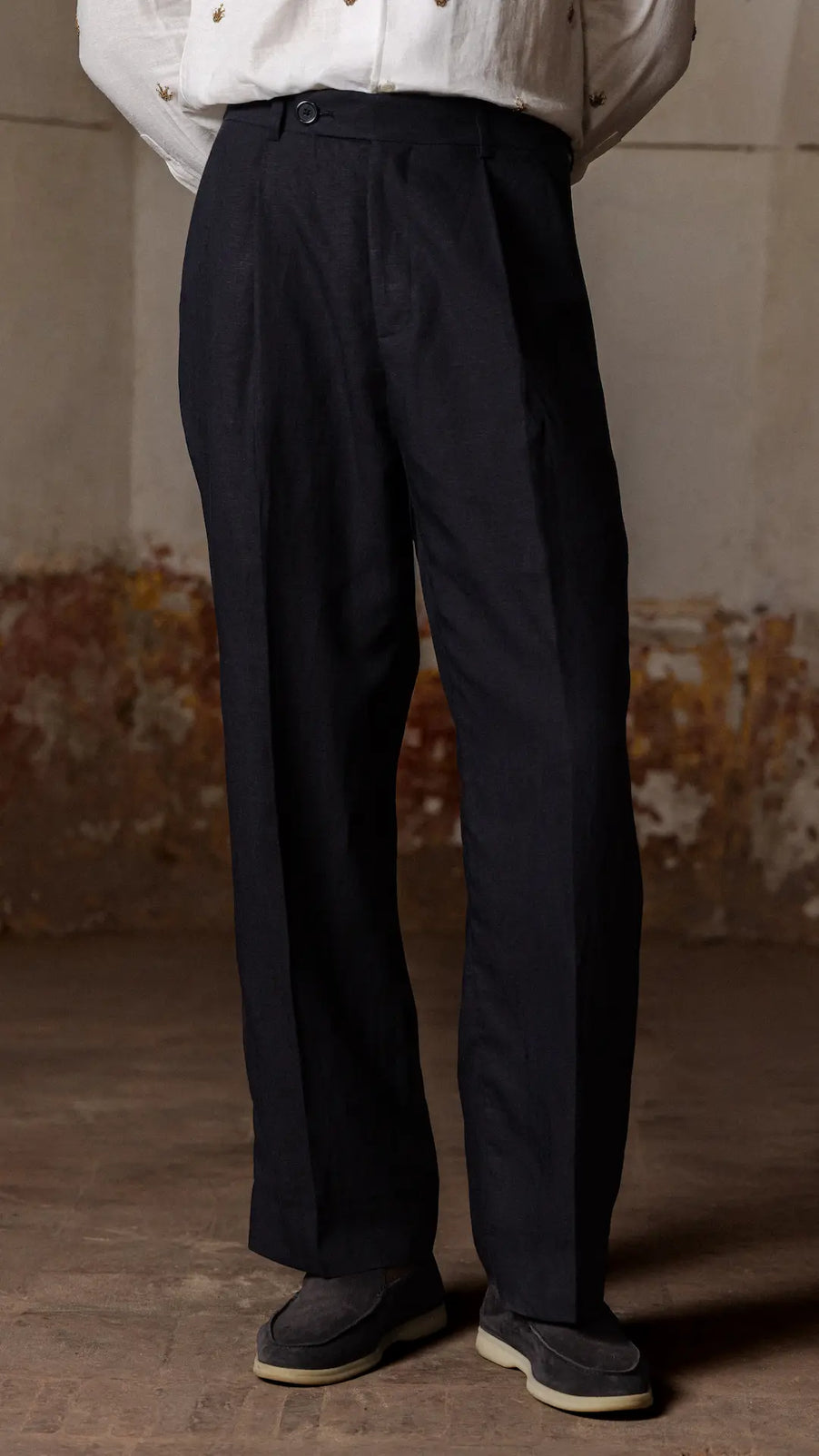
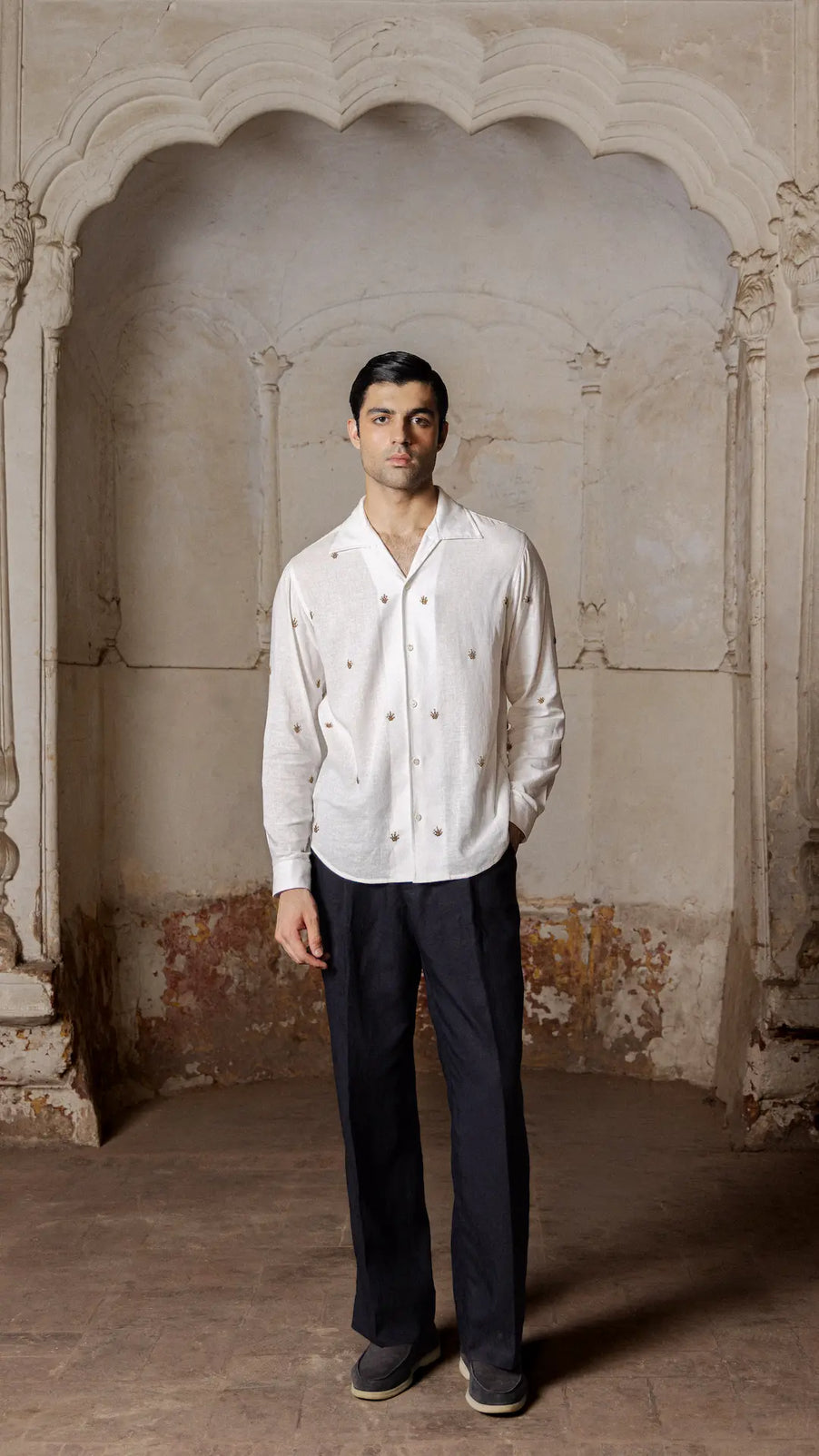
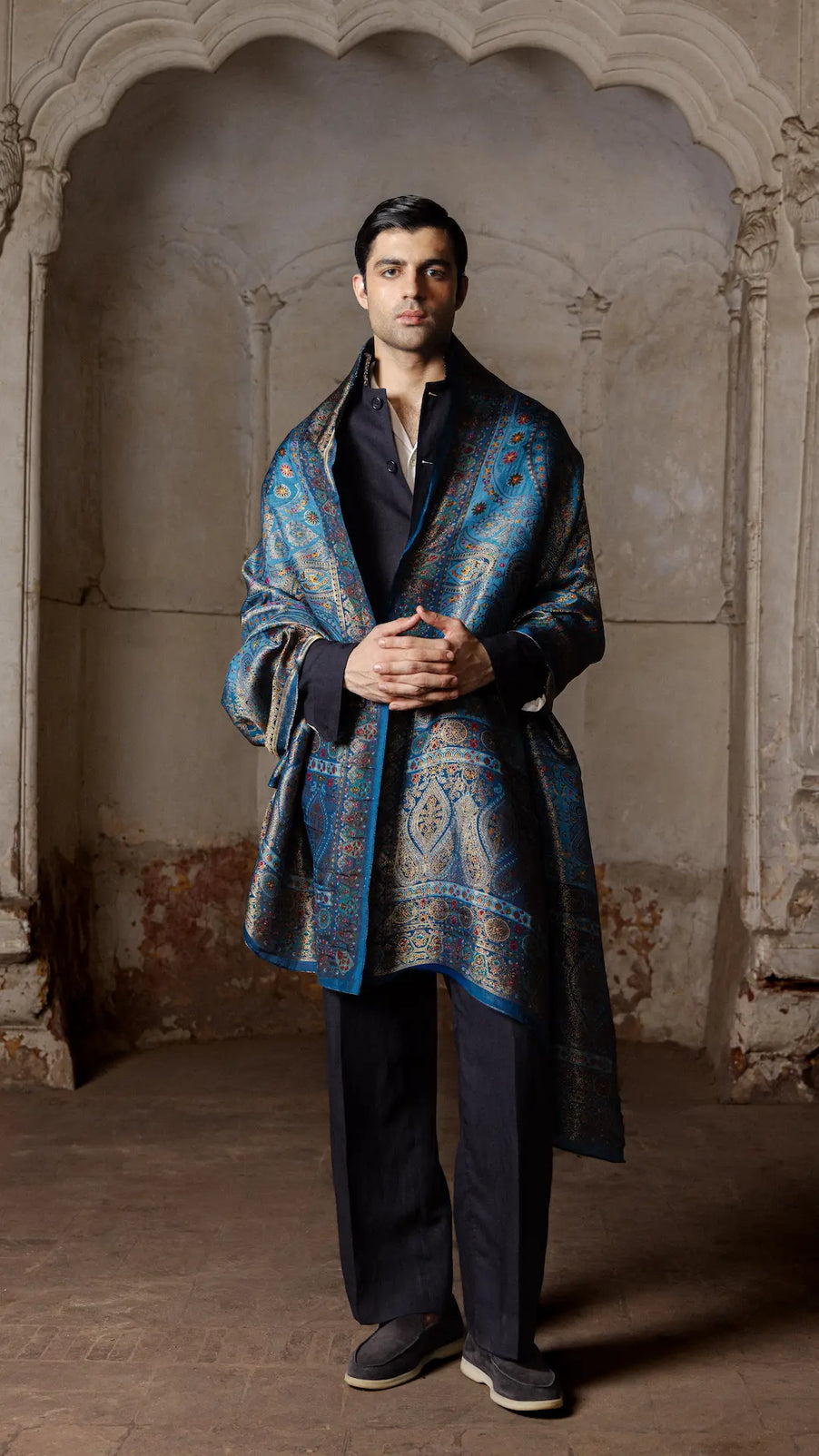
It’s live.
Before you go look, I want to spend ten minutes on the least glamorous sentence in fashion.
Artisan-made.
You’ve read it a thousand times. Handcrafted. Made by skilled artisans. Traditional techniques passed down through generations. It’s on the label of things made in a room with two hundred machines in it, and it’s on the label of things made by one man over four days, and there is no way, from the outside, to tell which is which.
That’s not an accident of language. It’s the function of it.
1. A claim you can’t be wrong about isn’t a claim
Here’s the test I’ve started applying to everything, including my own copy.
Can this sentence be false?
Artisan-made can’t be. There’s no definition, no threshold, no register, nobody who audits it. It’s an adjective doing the emotional work of a fact while committing to nothing. You cannot check it, which means I cannot be caught, which means it costs me nothing to say.
Everything I could be wrong about is worth more than everything I can’t.
So: names.
Pattern-making — Muhammad Amin, who everyone calls Faisal. He drafts the pattern, which is the document every other decision descends from. If the pattern is wrong, nothing downstream saves the garment. He also hand-finishes and inspects the pashmina when it reaches Lahore.
Production — Master Irfan. Pattern is the drawing; production is whether the drawing survives contact with fifty pieces of cloth. He’s the reason a piece is the same piece on the twelfth one as on the first.
Hand beadwork — Haider Abbas Bajwa. By hand, placed where you’ll find it rather than where a room full of people will.
Block printing — Nassir Hussain and Shahid Imran. Hand-carved wooden blocks, printed in layers, registered by eye. No machine and no registration marks — the alignment is a man’s eye, trained over years, and that’s the entire technology.
Four names. You can say them out loud. You could, in principle, go and find these men and ask whether I’m telling the truth.
That exposure is the whole point. I’d rather make a claim that can be checked and be held to it than make a claim that sounds better and means nothing.
2. The one I couldn’t name
Now the harder case, and the reason I’m writing this rather than just publishing a credits list.
The pashmina is woven on handlooms by a small group of Kashmiri artisans in northern Pakistan. I can’t give you one name for it, and I want to explain why rather than quietly leaving a gap where all the other names are.
Handloom work doesn’t pass through one pair of hands. It passes through several — spinning, warping, weaving, finishing — and which hands, on which piece, isn’t a thing I can honestly reconstruct after the fact. I could pick the most senior man and put his name on it. It would look better. It would match the pattern of the paragraph above. It would be tidier.
It would also not be true.
So they get a group credit, and it reads as weaker than the others, and I’m leaving it that way.
That’s the actual proof of the standard. Anyone will give you a name when the name flatters them. The test is whether you’ll accept the worse-sounding credit on the day the accurate one is less impressive — because a standard you abandon when it’s inconvenient was never a standard, it was a marketing decision that happened to be true for a while.
If I ever get to a point where I can trace a specific length of cloth to a specific weaver, I’ll name him, and I’ll update this. Until then it stays as it is.
3. This is the price
Which brings me to the part I’ve been circling for seven letters without saying directly.
When you see $595 next to something, you’re entitled to ask what’s in it.
Here’s the honest answer, and it isn’t a story about fabric.
You cannot name a man and also grind him. The moment you put someone’s name on a garment, you’ve accepted responsibility for the conditions and the pace his name is attached to. You can’t credit him publicly and then ask him to work in a way that makes his work worse. Anonymity is the thing that makes cheap possible — not machines, not scale, not materials. Anonymity. If nobody knows who made it, nobody can ask what it took.
So the naming and the price are not two separate facts about this brand. They’re the same fact, stated twice.
A pattern drafted properly rather than copied. Production run at a speed where the twelfth piece matches the first. Beadwork placed by hand where a machine would have been faster and nobody would have noticed. Blocks aligned by eye by a man who can do it because he has done it ten thousand times. Handloom pashmina from people whose work takes the time it takes.
That’s the number. Not a markup for the word luxury. The cost of not being able to hide.
I’m not going to pretend that makes it cheap, or that everyone reading this should buy something. Most of you shouldn’t, and that’s fine — these letters were never rent for the clothes.
But if you were going to spend this, I’d rather you spent it knowing exactly what you’re paying for and who you’re paying.
Lahori Riviera is live now at osamiofficial.com.
Never more than 50 made. Nothing restocked after, in any size, ever. When a piece is gone it’s gone, and that’s not a tactic — it’s what the paragraphs above add up to.
Go and look. And if you find an inconsistency between what I’ve written here and what you can verify, tell me, and I’ll fix it in public.
Shukriya for reading all of it.
— Osama